
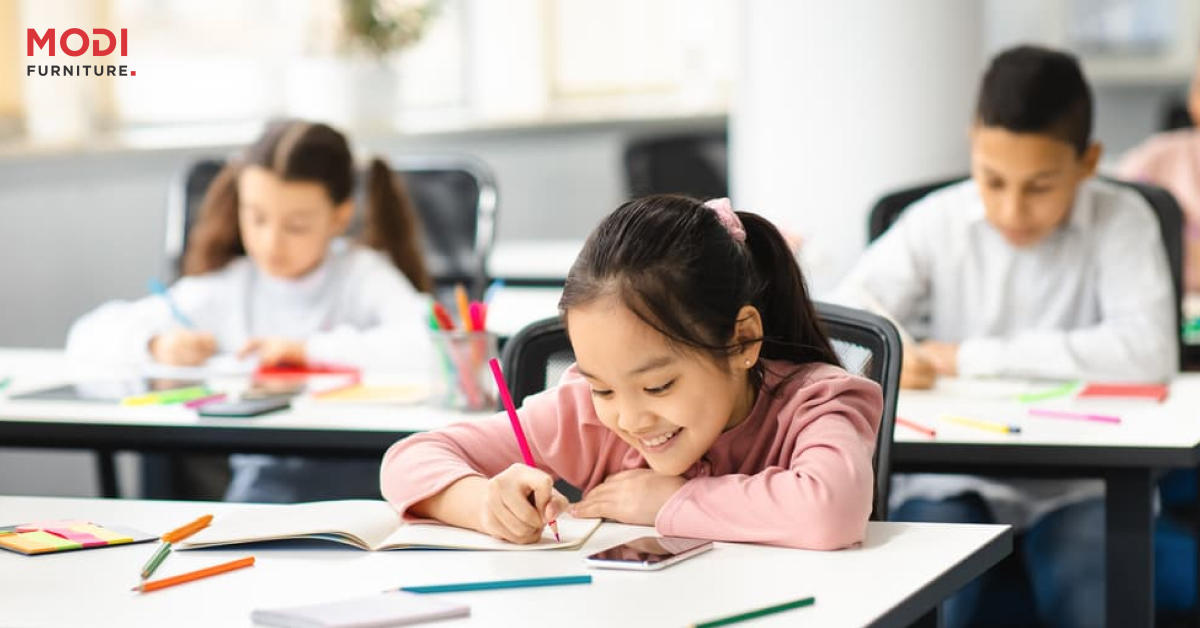
How Classroom Furniture Improves Student Learning & Engagement
Walk into any classroom and you will notice one thing immediately. The furniture shapes the experience. Rows of rigid desks create a very different environment than open, flexible seating arrangements. That environment directly affects student learning. Comfort, posture, and movement influence attention spans. When students feel physically supported, they participate more and stay focused longer. Modern classroom furniture is designed with this in mind. Schools today are rethinking traditional layouts. They are investing in ergonomic desks and adaptable designs that support collaboration and engagement. At Modi Furniture, we often help educators create spaces that encourage both comfort and curiosity.
Why Classroom Environment Shapes Student Learning Outcomes
The physical setup of a classroom plays a major role in how students think, behave, and interact. Classroom furniture is not just functional. It shapes communication, collaboration, and focus. When furniture restricts movement or causes discomfort, students become distracted. Over time, that affects student performance and overall engagement. On the other hand, well-designed spaces encourage active participation.
The Psychology of Space and Student Behavior
Students respond to their surroundings. Bright, open layouts with flexible seating promote collaboration. Tight rows with limited mobility often reduce interaction. Classroom layout design influences how often students ask questions, work in groups, and engage in discussion. Active learning classrooms rely on furniture that supports movement and quick reconfiguration. When students feel comfortable and free to adjust their seating, they are more confident and attentive.
How Furniture Impacts Student Performance Over Time
How furniture impacts student performance becomes clearer over months and years. Poor posture can cause fatigue, reducing attention during lessons. Discomfort may lead to restlessness. Over time, these small distractions add up. Lower focus can affect comprehension and exam outcomes. The benefits of modern classroom furniture include sustained concentration and improved participation. A thoughtful setup supports long-term academic success rather than short-term comfort alone.
The Benefits of Modern Classroom Furniture in Today’s Schools
The benefits of modern classroom furniture go beyond appearance. Today’s schools need adaptable spaces that support group work, technology integration, and creative thinking. Traditional fixed desks limit flexibility. Modern classroom furniture introduces mobility, modular designs, and student-centered layouts.
From Static Rows to Flexible Seating
Flexible seating allows students to choose positions that help them focus. This may include adjustable chairs, collaborative tables, or movable desks. Instead of rigid rows, teachers can create clusters for discussion or open space for presentations. Flexible seating encourages collaboration and movement. This approach increases engagement because students feel more involved in their learning environment.
Supporting Different Learning Styles Through Smart Design
Every student learns differently. Some absorb information visually. Others prefer hands-on activities or group discussions. Modular classroom furniture adapts to these needs. Tables can be rearranged quickly. Seating can shift from individual focus to team collaboration. By supporting multiple learning styles, schools create inclusive and dynamic classrooms that improve student learning outcomes.
Ergonomic Classroom Furniture for Focus and Comfort
Ergonomic classroom furniture for focus addresses one key issue: posture. Students spend hours seated each day. Without proper support, fatigue sets in quickly. Ergonomic desks are designed to maintain alignment and reduce strain. When posture improves, attention often follows.
How Ergonomic Desks Improve Posture and Attention
Ergonomic desks provide proper height alignment and posture support. Students can sit upright without straining their necks or shoulders. Good posture supports breathing and circulation. That directly influences concentration. When the body is aligned, the mind can focus on lessons instead of discomfort. Over time, ergonomic desks help reduce fatigue and maintain consistent attention levels.
Reducing Distractions Through Comfortable Design
Discomfort is a hidden distraction. Students shifting in their seats or stretching constantly are not fully engaged. Comfortable seating reduces these interruptions. Ergonomic classroom furniture for focus helps students remain attentive during longer lessons. A supportive chair or adjustable desk may seem simple, but it plays a powerful role in maintaining engagement throughout the school day.
Inclusive Classroom Furniture Design Benefits for Every Student
Inclusive classroom furniture design benefits all learners, not just a few. Students come in different heights, abilities, and physical needs. Furniture that adjusts easily ensures equal access and comfort. Inclusive classroom design promotes confidence and participation.
Designing for Different Heights, Abilities, and Needs
Adjustable desks and chairs allow customization. Younger students and taller students can sit comfortably without strain. Inclusive classroom furniture design benefits students with mobility challenges as well. Wider layouts and adaptable seating support accessibility. When every student feels accommodated, engagement increases naturally.
Creating Active Learning Classrooms That Encourage Participation
Active learning classrooms prioritize movement and interaction. Collaborative learning spaces require lightweight, movable furniture. Students can quickly form groups or shift attention to the front of the room. This flexibility supports discussion, teamwork, and creativity. Furniture becomes a tool that encourages participation rather than limiting it.
Practical Considerations When Choosing Classroom Furniture
Selecting classroom furniture requires careful planning. Schools must balance comfort, durability, and cost. The right choice supports student learning while lasting for years.
Durability, Safety, and Flexibility in School Settings
School environments demand sturdy materials. Furniture must withstand daily use while maintaining safety standards. Flexible designs allow easy rearrangement without heavy lifting. Smooth edges and stable frames reduce risks. Investing in durable modern classroom furniture ensures long-term value and reliability.
Choosing the Right Partner for Quality School Furniture
Working with trusted suppliers makes a difference. Many institutions explore options from school furniture manufacturers in jaipur to find quality solutions locally. When selecting a study table in jaipur or larger classroom setups, quality and ergonomic design should remain priorities. At Modi Furniture, we guide schools in choosing practical, long-lasting solutions that enhance engagement and performance.
Conclusion
Classroom furniture plays a powerful role in shaping student learning and engagement. From ergonomic desks to flexible seating, thoughtful design supports focus and collaboration. The benefits of modern classroom furniture extend beyond comfort. They influence behavior, performance, and inclusivity. By investing in adaptable and ergonomic solutions, schools create environments where students feel supported and motivated. With expert guidance from Modi Furniture, classrooms can become spaces that truly inspire learning.
FAQ
1. How does classroom furniture affect student learning?Classroom furniture influences posture, comfort, and movement. When students are comfortable, they focus better and participate more actively. Poorly designed furniture can cause fatigue and distraction, reducing engagement and academic performance over time.
2. What are the benefits of modern classroom furniture?
The benefits of modern classroom furniture include improved flexibility, better posture support, and enhanced collaboration. It allows teachers to reconfigure spaces easily and supports different learning styles, creating a more dynamic and engaging classroom environment.
3. Do ergonomic desks really improve focus?
Yes, ergonomic desks help maintain proper posture and reduce physical strain. When students sit comfortably without discomfort, they are less distracted and can concentrate longer. This improved physical alignment supports better focus during lessons.
4. How furniture impacts student performance in exams?
How furniture impacts student performance relates to sustained attention and reduced fatigue. Comfortable seating allows students to concentrate longer during study sessions and exams. Over time, better focus contributes to improved academic outcomes.
5. What is flexible seating in classrooms?
Flexible seating refers to movable and adaptable furniture that allows students to choose comfortable working positions. It encourages collaboration, independence, and movement. This approach supports active learning and higher engagement.
6. How does inclusive classroom furniture design help students?
Inclusive classroom furniture design benefits students by accommodating different heights, abilities, and needs. Adjustable desks and accessible layouts ensure equal participation. This inclusive approach promotes confidence and better engagement.
7. Is modular classroom furniture better than traditional desks?
Modular classroom furniture offers greater flexibility than traditional desks. It can be rearranged quickly to support group work or individual study. This adaptability enhances collaboration and supports varied teaching methods.
8. What should schools consider before buying classroom furniture?
Schools should consider durability, ergonomics, safety, and flexibility. Furniture must support posture and withstand daily use. Evaluating classroom needs and teaching styles helps ensure the right investment.
9. How can furniture encourage student engagement?
Furniture encourages engagement by promoting comfort and collaboration. Flexible layouts and ergonomic support reduce distractions and make participation easier. Students feel more involved when the environment supports interaction.
10. How long does quality classroom furniture typically last?
High-quality classroom furniture can last many years with proper maintenance. Durable materials and strong construction extend lifespan. Investing in well-designed furniture reduces replacement costs and supports long-term educational goals.
-

School Furniture Checklist: Everything Needed for a Modern School
September 16th, 2026 -
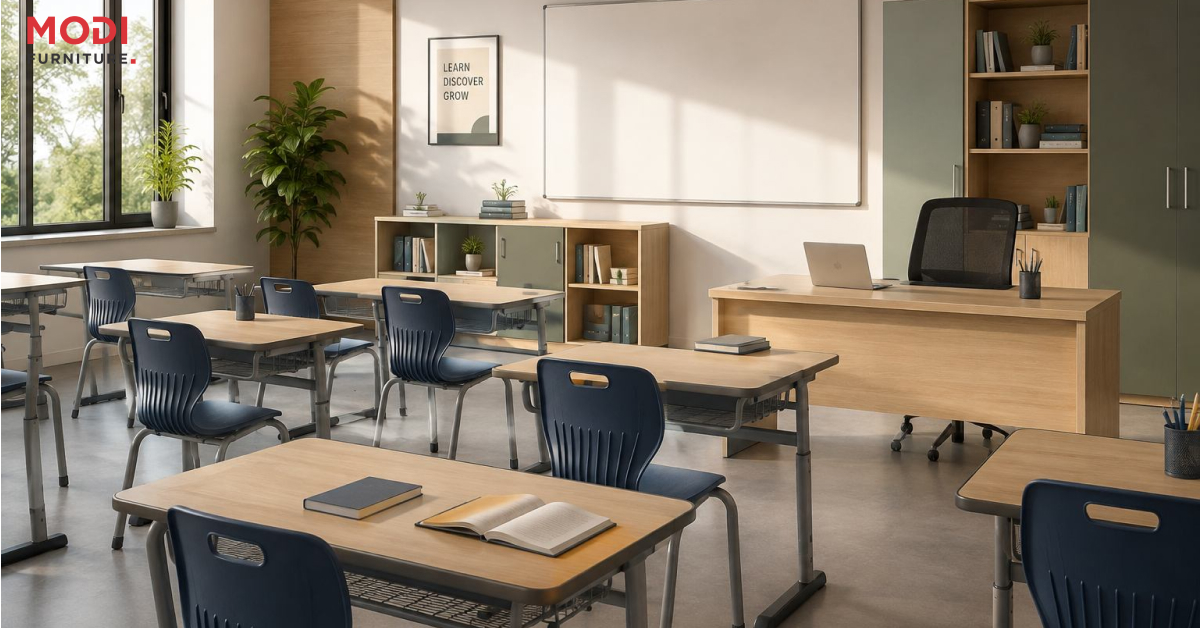
Classroom Furniture Guide: Choosing the Right Furniture for Schools
September 2nd, 2026 -
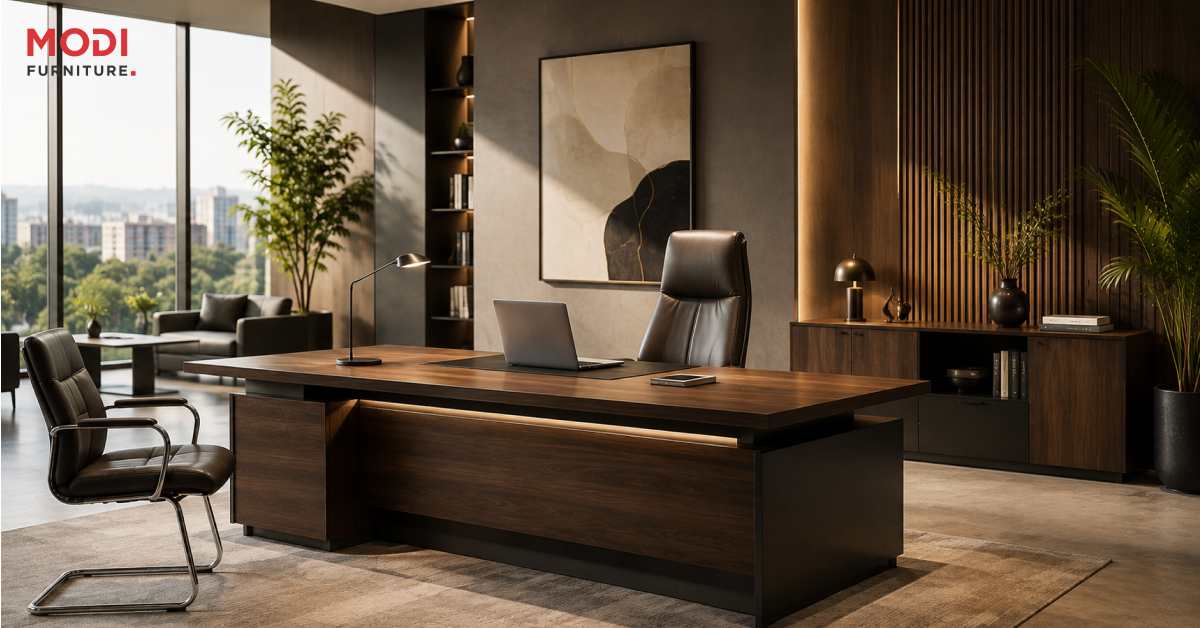
Modern Office Tables in Jaipur: A Guide to Premium Workspace Solutions
August 19th, 2026 -
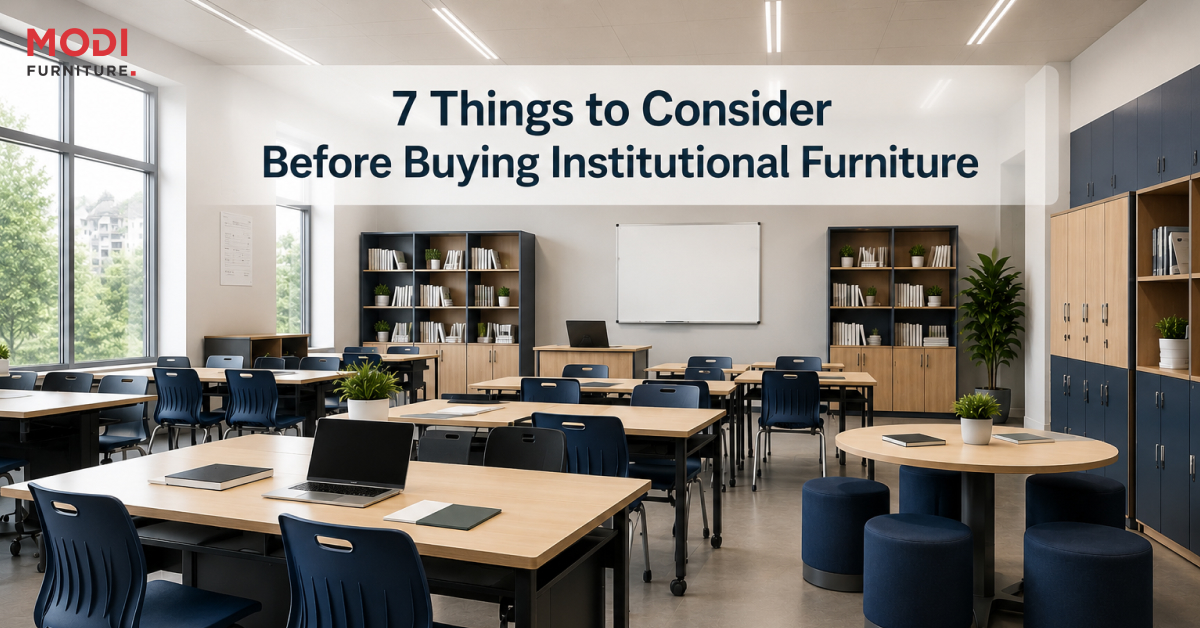 July 27th, 2026
