
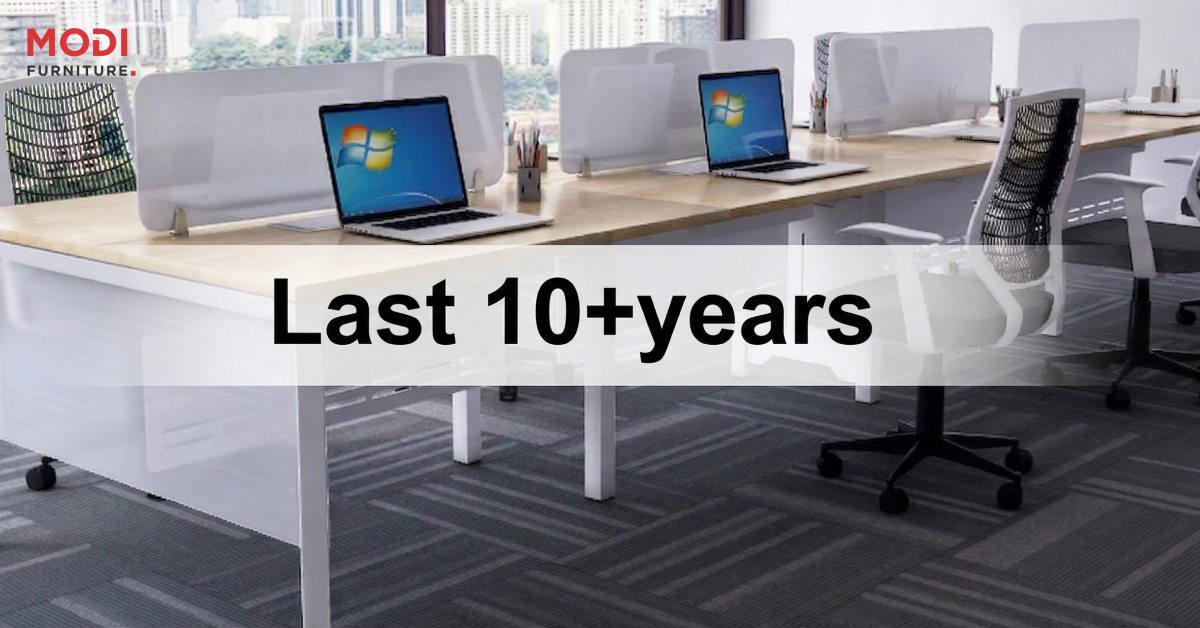
What Makes Office Furniture Last 10+ Years? A Complete Durability Guide
This guide will walk you through everything you need to know. We’ll cover selecting the right materials, checking the build quality, and simple care routines. These tips will help your office furniture last for 10+ years.
The Pillars of Durability: More Than Just Good Looks
Before getting into the details, it's good to understand the basics of office furniture quality. Furniture that lasts is a mix of great materials, skilled work, and smart design. Getting this right affects your budget and even your daily productivity.
The ROI of Investing in High-Quality Furniture
Choosing cheaper furniture might save money upfront, but it often costs more in the long run. Durable office furniture means fewer repairs and replacements. This saves you time, money, and hassle. A quality desk or chair is an investment in your comfort and efficiency.
How Structural Integrity Impacts Safety and Longevity
Structural integrity simply means how well a piece of furniture is built. A strong, stable frame keeps you safe and ensures the item can handle daily use without falling apart. Poor construction leads to wobbly desks and unsafe chairs, which can be a real problem.
Aesthetics vs. Durability: Finding the Perfect Balance
You don't have to choose between furniture that looks good and furniture that lasts. The best quality office furniture does both. At Modi Furniture, we believe great design includes durability. The goal is to find pieces that match your style and are built to withstand years of work.
The Ultimate Material Showdown: What Material is Best for Office Furniture Durability?
The material is the core of any furniture piece. Knowing the pros and cons of wood, metal, and fabrics is the first step. This knowledge helps you choose durable office furniture that can handle everyday use.
Solid Wood vs. Engineered Wood (MDF, Plywood, Particleboard)
- Solid Wood: This is the classic choice for strength. It's strong, repairable, and can last a lifetime. However, it can be heavy and affected by humidity.
- Engineered Wood: This includes materials like MDF and plywood. High-quality engineered wood is very stable and less likely to warp in humid places like Dubai or Abu Dhabi. It's a great, affordable alternative.
The Power of Metal: Steel, Aluminum, and Their Finishes
Metal is a fantastic choice for frames and bases.- Steel: Incredibly strong and perfect for supporting heavy loads.
- Aluminum: Lightweight, corrosion-resistant, and modern-looking.
A good powder-coated finish protects the metal from scratches and rust, adding to its lifespan.
High-Pressure Laminates (HPL) and Thermally Fused Laminates (TFL)
Laminate surfaces are champions of low-maintenance durability. They are applied over a core (like MDF) and offer amazing resistance to scratches, stains, and heat. This makes them a smart choice for busy desks and tables.
Upholstery Deep Dive: Choosing Durable Leather vs. Fabric Options
For chairs and seating: Leather: A premium option that is durable and easy to clean. It develops character over time but needs some care to prevent cracking. Fabric: Look for a high "rub count," which measures abrasion resistance. Tightly woven synthetic fabrics often offer great durability and stain resistance for a busy office
How to tell good quality wood furniture?
Look closely at the grain. In solid wood, the grain pattern will run consistently across the surface and edges. Also, check the weight; quality wood furniture is typically heavy and feels solid. Finally, check for a smooth, even finish with no rough spots.
A great material can be let down by poor construction. Here’s how to spot the hidden signs of quality, from the joints on a desk to the foam in a long lasting office chair.
Check the Joints: Mortise-and-Tenon vs. Staples and Glue
The best joints are interlocking, like mortise-and-tenon or dovetails. These create strong, lasting connections. Be wary of furniture held together mainly with staples and a little glue, as these joints are much weaker and can loosen over time.
Assessing Hardware Quality: Hinges, Handles, and Drawer Slides
Pay attention to the small parts. Do the drawers slide out smoothly and fully? Are the hinges and handles made of solid metal? Do they feel secure and operate without sticking? Quality hardware makes a huge difference in daily use.Edge Banding: The Unsung Hero of Desk and Table Durability
Edge banding is the protective strip applied to the edges of laminate or veneer furniture. A thick, well-applied band protects the core material from moisture and prevents chipping. Run your hand along the edge; it should feel smooth and seamless.
Frame and Base Stability for Desks and Chairs
Give it a little shake. A durable desk or chair should feel solid, with no wobbling. The base should be wide enough to provide good support, especially for a long lasting office chair that you’ll be using all day.
Is commercial-grade furniture more durable?
Yes, absolutely. Commercial-grade furniture is specifically made for heavy use in office settings. It undergoes stricter testing for stability, strength, and wear and tear, making it a reliable choice for any workspace.
Your Proactive Maintenance Plan: From Proper Cleaning to Regular Inspections
Once you have your furniture, taking care of it is simple. A good furniture maintenance routine can stop small issues from turning into big problems, keeping your pieces looking great for years.
Daily & Weekly Care: The Basics of Proper Cleaning
A little care goes a long way. Daily: Wipe down surfaces with a soft, dry cloth to remove dust. Weekly: Use a slightly damp cloth for a deeper clean. For upholstery, vacuuming with a brush attachment can remove crumbs and dirt.Creating a Bi-Annual Inspection Checklist (Screws, Joints, Upholstery)
Twice a year, take a few minutes to check your furniture: Tighten any loose screws or bolts. Check that legs and joints are still solid. Look for any signs of wear and tear on fabric or leather.How to Handle Common Issues: Scratches, Dents, and Stains
Act quickly! For minor wood scratches, a touch-up marker can work wonders. For stains on fabric, check the cleaning code and use the right cleaner. Blot stains, don't rub them.
Understanding Weight Limits and Proper Usage to Prevent Damage
Every piece of furniture, especially chairs and shelves, has a weight limit. Respecting these limits prevents strain on the frame and mechanisms. Avoid standing on chairs or overloading bookshelves to ensure their structural integrity.
Environmental Factors: Protecting Your Investment from its Surroundings
Your office environment matters. Things like sunlight, humidity, and temperature can speed up wear and tear, especially in climates found in the UAE and India.
The Impact of Sunlight and UV Rays on Wood and Fabric
Direct sunlight can be harsh. Over time, UV rays can fade the color of wood and fabric. If possible, position your furniture away from windows that get intense, direct sun all day.
Managing Humidity and Temperature to Prevent Warping and Cracking
Big swings in humidity and temperature can cause wood to swell or shrink, leading to warping or cracking. Using a dehumidifier in very humid climates like Sharjah can help protect your solid wood furniture.
Smart Furniture Placement to Minimize Environmental Stress
Think about where you place your furniture. Keep desks and wood pieces away from direct heat sources like radiators or vents. This simple step helps maintain the material's stability.
Using Preventative Measures: Coasters, Furniture Pads, and Covers
These small additions are your furniture’s best friends.
- Use coasters to prevent water rings.
- Place felt furniture pads under lamps and monitors.
- Consider a desk mat for your main work area.
Spotlight: How to Choose a Long Lasting Office Chair
The office chair is probably the hardest-working item in your office. Here’s what to check to make sure yours offers comfort and durability for years.
The Base and Casters: What Materials Last Longest?
Look for a five-point base made of steel or cast aluminum for the best stability. The casters (wheels) should be suitable for your flooring—hard casters for carpet and soft casters for hard floors.
Evaluating the Gas Lift, Tilt, and Recline Mechanisms
A quality chair has smooth and reliable adjustments. Test the gas lift to see if it moves up and down easily. Check the tilt and recline functions. They should operate without grinding noises or feeling loose.
Foam Density and Upholstery Resilience: What to Look For
High-density foam in the seat cushion will keep its shape and support you for much longer than low-density foam. For upholstery, choose a material that is rated for high-traffic use.
The Importance of an Adjustable and Sturdy Frame
The chair's frame is its skeleton. A strong metal frame is essential. Great ergonomic chairs also offer adjustable parts like armrests and lumbar support, which should all feel solid and secure.
Your Durability Checklist: A Quick Guide for Smart Shoppers
Feeling ready to shop? Use this quick checklist to find the best quality office furniture, whether for a home office or a small office in India.Material and Construction Checklist
- [ ] Is it solid wood or high-quality engineered wood with a good finish?
- [ ] Are the joints strong (e.g., screws, dowels, interlocking wood)?
- [ ] Is the hardware metal and does it work smoothly?
- [ ] Does the piece feel stable and not wobbly?
Warranty and Manufacturer Reputation
- [ ] Does the manufacturer offer a good warranty?
- [ ] Do they have positive reviews for quality and customer service?
Maintenance and Care Requirements
- [ ] Do I understand how to clean and care for the material?
- [ ] Are the care instructions simple and manageable for me?
Conclusion
Getting a 10+ year life from your office furniture isn’t luck. It’s about making smart choices and following simple care routines. By focusing on high-quality materials, solid construction, and a good maintenance plan, you can make sure your furniture stays useful and beautiful for a long time. Ready to invest in furniture that lasts? Modi Furniture offers durable, high-quality collections that are built to handle the demands of a modern workplace.
Frequently Asked Questions
What is the most durable material for an office desk?
For overall durability, a desk made from solid wood is a top choice. However, high-pressure laminate (HPL) surfaces on top of a solid core like MDF or plywood offer excellent resistance to scratches, stains, and heat at a more affordable price point.
How can I make my office chair last longer?
To extend your office chair's life, regularly check and tighten screws, clean the upholstery according to material type, lubricate moving parts, and avoid exceeding the weight limit. Ensure casters are clean and rolling smoothly.
Is solid wood always better than MDF for office furniture?
Solid wood is generally stronger and can be refinished, making it more durable long-term. However, high-quality MDF with a durable laminate or veneer finish is more stable in humid environments (resists warping) and can be a very durable, cost-effective option.
How do I protect my office furniture from scratches and dents?
Use preventative measures like coasters for drinks, placemats or desk pads for writing surfaces, and felt furniture pads under equipment. Avoid dragging sharp or heavy objects across surfaces.
What's the difference between commercial-grade and residential furniture?
Commercial-grade furniture is designed and tested to withstand heavy, continuous use in a public or office environment. It typically uses stronger materials, better construction techniques, and more durable finishes than standard residential furniture.
How often should I inspect my office furniture for wear and tear?
A thorough inspection for loose screws, wobbly legs, and signs of wear on upholstery should be conducted every 6 months. A quick visual check can be done more frequently, perhaps on a monthly basis.
Does humidity in places like the UAE or India affect furniture durability?
Yes, high humidity can cause solid wood to swell and warp. In such climates, consider furniture made from engineered wood with a quality sealed finish, or materials like metal and high-grade plastic, which are less affected by moisture.
What is the best low-maintenance office furniture material?
Metal frames and laminate surfaces are among the most low-maintenance options. They are easy to wipe clean, resistant to stains and scratches, and do not require special treatments like polishing or conditioning.
How do you clean different types of office furniture upholstery?For fabric, vacuum regularly and spot-clean with a manufacturer-approved cleaner. For leather, wipe with a damp cloth and use a dedicated leather conditioner periodically to prevent cracking. Always check the cleaning code tag.
What are the key signs of poor-quality office furniture?
Key signs include wobbly legs or frames, drawers that don't slide smoothly, visible glue or staples at the joints, thin or easily scratched finishes, and a very low price point compared to similar items.
-

School Furniture Checklist: Everything Needed for a Modern School
September 16th, 2026 -
Classroom Furniture Guide: Choosing the Right Furniture for Schools
September 2nd, 2026 -
Modern Office Tables in Jaipur: A Guide to Premium Workspace Solutions
August 19th, 2026 -
 July 27th, 2026
