

How Ergonomic Furniture Improves Employee Health and Productivity
Workplace ergonomics is about designing workspaces to fit people, not forcing people to fit their desks. When employees sit for long hours, use screens daily, and repeat the same movements, their bodies feel it. Over time, discomfort turns into pain. Pain turns into lost focus. The connection between comfort, employee health, and office productivity is stronger than most companies realize. A well-designed workspace reduces strain and supports natural movement. That is where ergonomic furniture makes a real difference. At Modi Furniture, we often see how small adjustments in office design can transform how teams feel and perform.
Why Workplace Design Directly Impacts Health and Performance
Workplace ergonomics is more than a trend. It is a practical approach to protecting employee health while improving performance. When desks, chairs, and monitors are positioned correctly, the body stays aligned. Muscles work less. Energy lasts longer. Poor design does the opposite. It forces awkward postures and repetitive strain. Over time, this reduces office productivity and increases complaints about fatigue or discomfort.
The Science Behind Workplace Ergonomics
The human body is not designed to sit still for eight hours. Slouching compresses the spine. Unsupported wrists strain tendons. Poor monitor height causes neck tension. Work-related musculoskeletal disorders and repetitive strain injuries often begin with small daily habits. Proper alignment keeps joints neutral and muscles balanced. Adjustable office chairs and sit-stand desks allow movement throughout the day. The benefit is simple. When posture support improves, the body works efficiently instead of fighting discomfort.
The Real Cost of Poor Office Setup
An uncomfortable office does not just cause aches. It leads to distraction. Employees shift constantly in their seats. They lose focus. Tasks take longer. Absenteeism often increases when discomfort becomes chronic. Workplace safety programs frequently address injuries after they happen. But reactive fixes cost more than prevention. The benefits of ergonomics in the workplace include fewer medical complaints and stronger daily performance. A healthy setup reduces both physical and financial strain.
How Ergonomic Furniture Supports Employee Health
Ergonomic benefits start with prevention. Instead of waiting for pain, companies can design workspaces that reduce pressure on the body from day one. This approach helps improve employee wellness with ergonomics in a measurable way. It supports posture, circulation, and comfort during long workdays.
Preventing Musculoskeletal and Repetitive Strain Injuries
Many office injuries develop slowly. Back pain, shoulder stiffness, and wrist strain often result from repetitive movements or poor seating. How ergonomics prevents work injuries comes down to alignment and adjustability. Chairs with lumbar support protect the lower back. Proper desk height reduces shoulder tension. Keyboard positioning keeps wrists neutral. When ergonomics is built into daily routines, work-related musculoskeletal disorders decline. Prevention protects both employees and organizational resources.
Supporting Posture, Circulation, and Daily Comfort
Sitting too long reduces circulation. Standing too long causes fatigue. That is why flexibility matters. Sit-stand desks allow employees to alternate positions. Adjustable office chairs provide height control, arm support, and lumbar adjustment. These features encourage natural posture support. Comfort is not about luxury. It is about removing physical barriers to performance. When the body feels balanced, employees can focus on meaningful tasks instead of discomfort.
The Direct Link Between Ergonomic Benefits and Office Productivity
Comfort drives concentration. When employees feel physically supported, they think more clearly. That is the connection between ergonomic benefits and office productivity. Reducing strain frees mental energy. Instead of managing discomfort, employees invest attention into problem-solving and collaboration.
Reduced Fatigue and Increased Focus
Fatigue often comes from muscle tension and poor circulation. Small physical stress builds up throughout the day. Ergonomic chair setups reduce that stress. Proper monitor height prevents neck strain. Supportive seating reduces lower back pressure. With less physical distraction, focus improves. Energy lasts longer. Teams complete tasks more efficiently without burnout.
Fewer Sick Days and Higher Engagement
Employee wellness directly influences attendance. When pain decreases, sick days often decline. Employees who feel cared for are also more engaged. Ergonomic furniture signals that leadership values health. That matters. Organizations that invest in workplace ergonomics for HR health strategy often see stronger morale and improved retention. Healthy employees contribute more consistently.
Why HR Teams Should Prioritize Ergonomics in Health Strategy
HR departments shape corporate wellness programs and occupational health initiatives. Ergonomics fits naturally into these efforts. Instead of treating injuries after they occur, workplace ergonomics for HR health strategy focuses on prevention. It strengthens long-term resilience.
Ergonomics as a Preventive Health Approach
Preventive design reduces risk before symptoms appear. This aligns with occupational health goals and workplace safety programs. When HR leaders include ergonomic assessments in onboarding or annual reviews, they create a culture of proactive care. Small adjustments prevent long-term issues. That shift reduces insurance claims and improves overall employee health outcomes.
Aligning Ergonomics With Corporate Wellness Programs
Corporate wellness programs often emphasize exercise and mental health. Ergonomics complements both. A comfortable workstation supports better posture and reduces stress. When employees feel physically supported, they are more likely to engage in other wellness initiatives. Integrating ergonomic furniture into wellness planning creates a complete strategy instead of isolated benefits.
Practical Steps to Improve Employee Wellness With Ergonomics
Improving office design does not require a full renovation. Small, intentional upgrades can deliver meaningful results. Companies can improve employee wellness with ergonomics by focusing on assessment, selection, and education.
Choosing the Right Ergonomic Furniture
Look for adjustable office chairs with lumbar support and flexible armrests. Desks should allow proper height alignment. Sit-stand desks offer valuable movement options. Workstation layout matters too. Monitor height should align with eye level. Keyboards should allow neutral wrist positioning. At Modi Furniture, we usually recommend evaluating job roles first. Different tasks require different ergonomic solutions.
Training Employees to Use Ergonomic Tools Correctly
Even the best equipment fails if used incorrectly. Employees need simple guidance. Short workshops can explain chair adjustments, posture support, and optimal desk setup. Regular check-ins reinforce healthy habits. Education ensures ergonomic benefits translate into daily practice. That is how lasting change happens.
Conclusion
Workplace ergonomics is not about expensive upgrades. It is about thoughtful design that protects employee health and strengthens office productivity. When organizations understand how ergonomics prevents work injuries and supports focus, they see furniture differently. It becomes a strategic tool. Investing in ergonomic solutions today creates healthier, more productive teams tomorrow. With the right guidance, including support from Modi Furniture, companies can build workspaces that truly work for people.
FAQ
1. What is workplace ergonomics?Workplace ergonomics is the practice of designing work environments to fit the needs of employees. It focuses on posture, movement, and equipment setup to reduce strain. Proper workplace ergonomics helps prevent discomfort, injuries, and fatigue while supporting long-term employee health and performance.
2. How does ergonomic furniture improve employee health?
Ergonomic furniture supports natural posture and reduces pressure on muscles and joints. Adjustable chairs and desks help employees maintain alignment throughout the day. This lowers the risk of back pain, repetitive strain injuries, and circulation issues, leading to better overall employee health.
3. What are the main ergonomic benefits for businesses?
The main ergonomic benefits include fewer injuries, lower absenteeism, improved morale, and stronger productivity. Businesses also see long-term cost savings from reduced medical claims and better retention. Ergonomics supports both employee wellness and operational efficiency.
4. How ergonomics prevents work injuries in office jobs?
How ergonomics prevents work injuries comes down to reducing repetitive strain and poor posture. Proper desk height, lumbar support, and monitor alignment minimize stress on joints and muscles. Over time, this significantly lowers the risk of chronic pain and musculoskeletal disorders.
5. Can ergonomic furniture increase office productivity?
Yes, ergonomic furniture can improve office productivity by reducing discomfort and fatigue. When employees feel physically supported, they concentrate better and complete tasks faster. Comfort removes distractions, allowing teams to focus on meaningful work.
6. What types of ergonomic furniture are most effective?
Adjustable office chairs, sit-stand desks, and properly positioned monitors are among the most effective options. These tools allow flexibility and support healthy posture. The best choice depends on job roles and daily task requirements.
7. How can HR include ergonomics in a health strategy?
HR teams can integrate workplace ergonomics for HR health strategy by conducting workstation assessments and offering training. Including ergonomic standards in workplace safety programs ensures consistent implementation. This proactive approach supports long-term employee wellness goals.
8. Is ergonomic furniture necessary for remote workers?
Yes, remote workers benefit from ergonomic setups just as much as in-office staff. Poor home office arrangements can cause the same strain and injuries. Providing guidance or stipends for ergonomic furniture helps maintain consistent employee health standards.
9. How quickly can businesses see results from ergonomic upgrades?
Some improvements, like reduced discomfort and better focus, can appear within weeks. Long-term results such as fewer injuries and improved retention may take months. Consistent implementation and employee training accelerate positive outcomes.
10. Are ergonomic investments cost-effective long term?
Ergonomic investments are often cost-effective over time. Preventing injuries reduces healthcare expenses and absenteeism. Improved productivity and engagement also increase return on investment. Long-term savings typically outweigh the initial cost of ergonomic furniture.
-

School Furniture Checklist: Everything Needed for a Modern School
September 16th, 2026 -
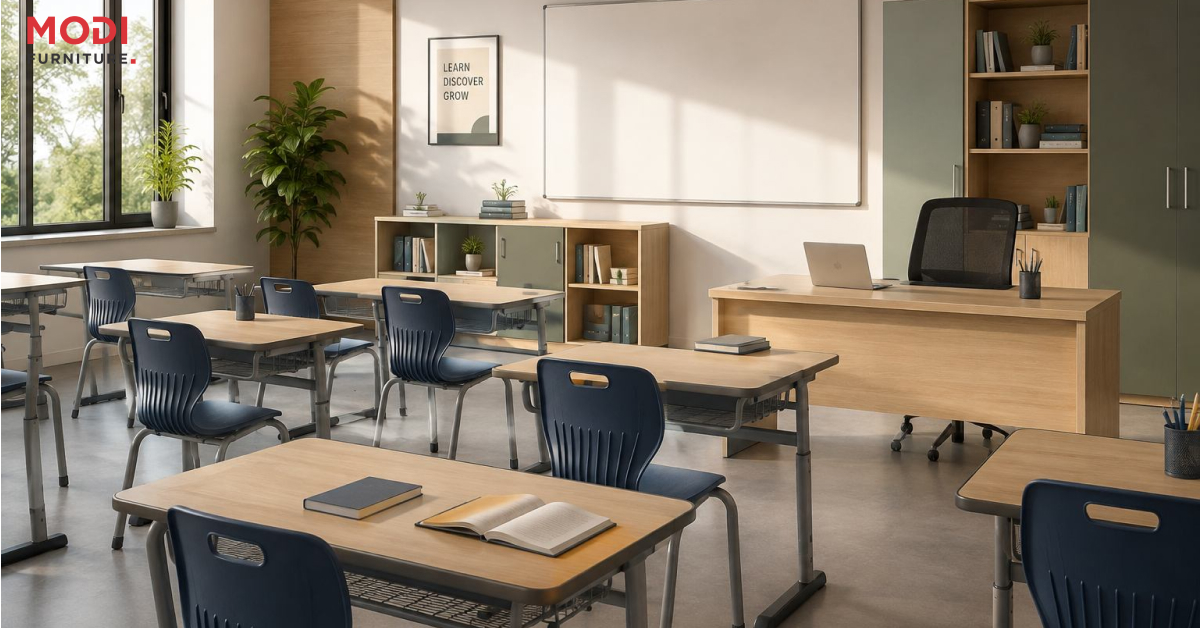
Classroom Furniture Guide: Choosing the Right Furniture for Schools
September 2nd, 2026 -
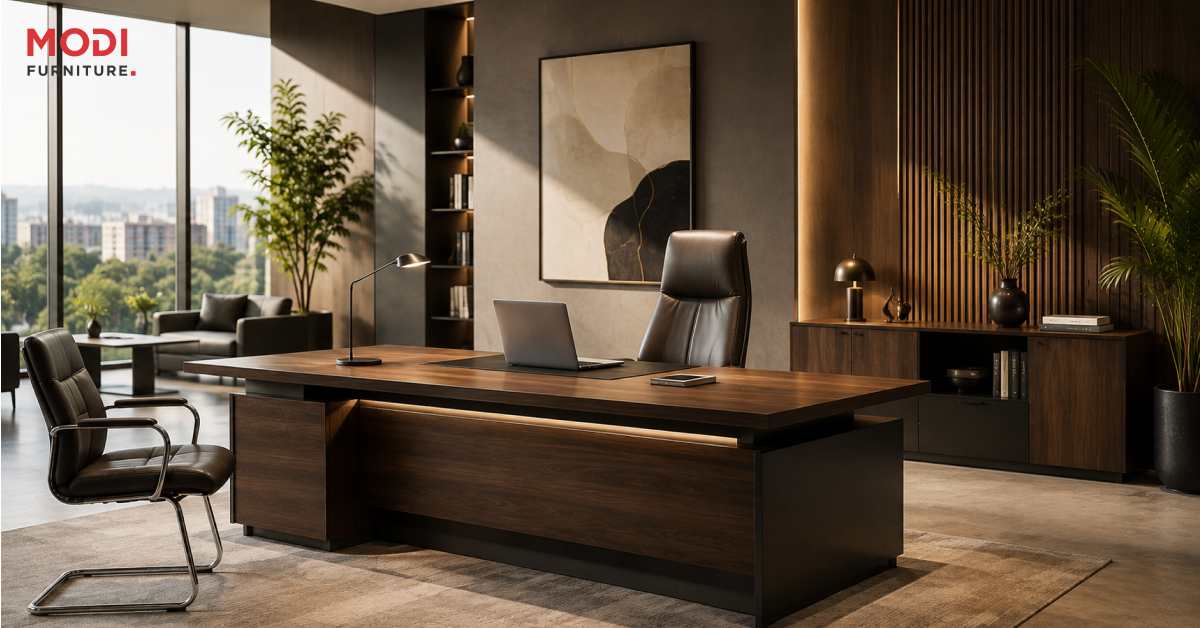
Modern Office Tables in Jaipur: A Guide to Premium Workspace Solutions
August 19th, 2026 -
 July 27th, 2026
