
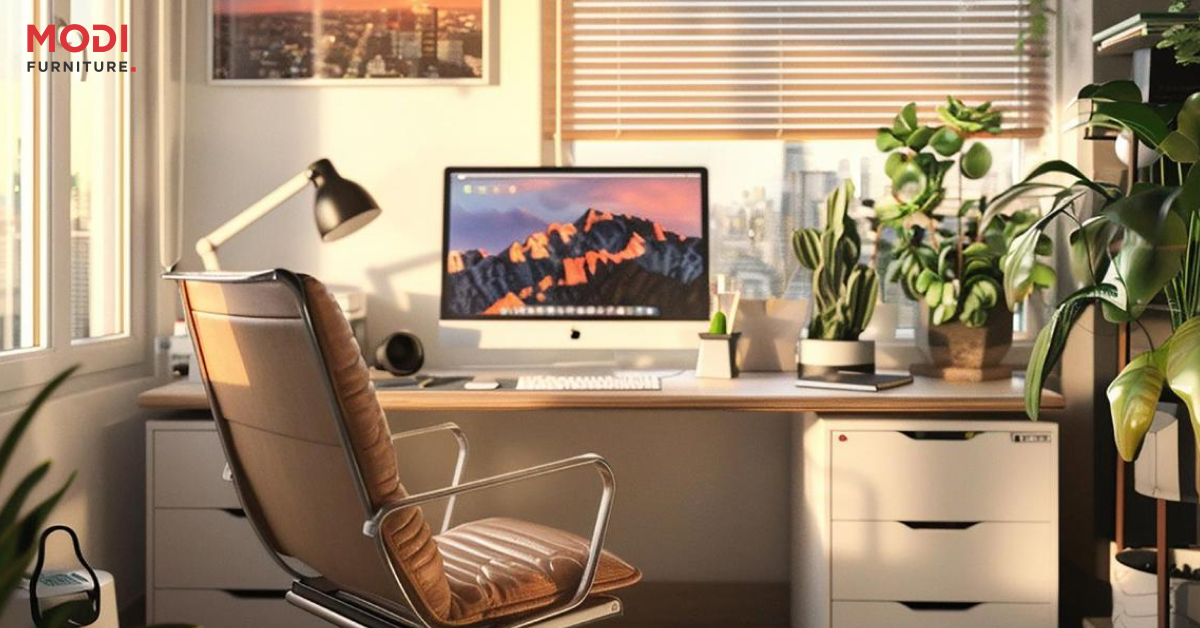
Best Home Office Furniture Buying Tips for Comfort and Productivity in 2026
Working from home is no longer a temporary setup. In 2026, your home office plays a big role in how focused, comfortable, and productive you feel every day. The right home office furniture supports your body, fits your space, and helps you work without constant distractions. Many people rush furniture decisions and regret them later. Poor posture, cluttered desks, and mismatched office décor all affect performance. This guide shares practical tips for choosing home office furniture that balances comfort, function, and style for modern work needs.
Choosing the Right Home Office Furniture for Daily Comfort
The furniture you use daily has a direct impact on how your body feels by the end of the workday. Uncomfortable seating or poorly sized desks often lead to fatigue and poor concentration. Comfort should always come before visual appeal when planning a home office setup. It is also important to think about how you actually work. Long computer hours, meetings, or creative tasks all require different furniture support. Choosing pieces that fit both your routine and your room size helps you avoid constant adjustments later. Investing in quality home office furniture improves consistency. When your workspace feels supportive, you spend less time shifting positions and more time staying productive.Understanding Ergonomic Furniture Basics
Ergonomic furniture is designed to support natural body posture during long work hours. It focuses on alignment, adjustability, and reducing pressure on joints and muscles. Small ergonomic improvements often prevent long-term discomfort. For example, adjustable seating and proper desk height help reduce strain on the neck and lower back. Over time, this leads to better comfort and fewer breaks caused by pain. A practical takeaway is to always prioritize adjustability. Furniture that adapts to your body provides better long-term value than fixed designs.Matching Furniture to Your Work Routine
Different work routines demand different furniture features. Computer-based roles require proper desk depth and monitor placement, while writing or design work may need larger surfaces. Matching furniture to daily tasks helps improve workflow. A desk with enough space for tools or documents prevents constant rearranging. Before buying, list your most common tasks. Use that list to guide furniture size and layout decisions for smoother workdays.Ergonomic Desk and Seating Choices That Improve Productivity
Desks and chairs are the foundation of any ergonomic home office setup. The wrong combination can cause discomfort even if the rest of the room looks great. Productivity improves when furniture supports natural movement. A good ergonomic desk works together with your chair. Height, legroom, and surface space all affect how easily you can work for extended periods. Seating is equally important. A supportive chair helps maintain focus without constant posture corrections.Selecting an Ergonomic Desk That Fits Your Space
An ergonomic desk should fit both your body and your room. Desk height should allow your elbows to rest comfortably while typing. Surface size matters for monitor distance and accessories. Oversized desks can overwhelm small rooms, while compact desks may limit movement. Measure your space before purchasing to avoid layout issues. Choosing the right size desk helps prevent wrist strain and awkward seating positions.Why Ergonomic Chairs Matter More Than You Think
An ergonomic chair supports the spine, hips, and shoulders throughout the day. Features like lumbar support and seat depth adjustment make a noticeable difference during long hours. Good seating improves circulation and reduces pressure points. This leads to better concentration and fewer physical distractions. When testing chairs, focus on comfort after extended sitting, not just first impressions.Smart Storage Solutions for a Clutter-Free Workspace
Clutter affects focus more than most people realize. Papers, cables, and supplies scattered across your desk create visual stress and slow you down. Smart storage solutions help keep essentials accessible while reducing distractions. Well-planned office storage furniture supports both productivity and office décor. The goal is to store what you need without overcrowding the space.Best Storage Furniture for Offices With Limited Space
Small home offices benefit from vertical storage. Shelving units and wall-mounted cabinets use space efficiently without blocking movement. Compact drawers and multi-purpose furniture also help reduce clutter. The key is choosing storage that fits the room without dominating it. Good storage planning keeps your workspace functional even in tight areas.Balancing Open and Closed Storage Solutions
Open shelving offers easy access and visual organization. Closed cabinets hide clutter and maintain a cleaner look. A balanced mix works best. Use open storage for daily items and closed units for paperwork or supplies. This balance keeps your workspace practical and visually calm.Planning Space and Layout for an Efficient Home Office Setup
Layout affects how easily you move, reach items, and stay focused. Poor space planning leads to cramped seating and awkward movement. An efficient home office setup supports natural workflow. Desk placement, storage reach, and seating position all matter. Good layout decisions improve comfort without requiring more space.Space Planning Tips for Small and Large Rooms
In small rooms, keep walkways clear and avoid oversized furniture. Place desks near walls or windows to maximize floor space. Larger rooms benefit from zoning. Separate work, storage, and meeting areas improve focus and organization. Always leave enough room to move freely around your desk.Lighting Placement and Furniture Coordination
Lighting works best when coordinated with furniture placement. Natural light reduces eye strain when positioned correctly. Avoid placing screens directly in front of bright windows. Combine task lighting with ambient light for balanced visibility. Proper lighting improves comfort and supports longer work sessions.How to Match Office Furniture Style With Home Décor
A home office should feel professional without clashing with the rest of your home. Matching office furniture style with existing décor improves motivation and comfort. Consistent colors and materials help your workspace feel intentional. This is especially important in shared living areas. A cohesive look supports focus and reduces visual stress.Choosing Colors and Materials That Feel Professional
Neutral tones create a calm, professional environment. Materials like wood and metal add durability and visual balance. Texture matters as much as color. Matte finishes often feel less distracting than glossy ones. Choose materials that are easy to maintain and age well.Mixing Modern Office Furniture With Existing Décor
Mixing styles works when there is a common element, such as color or material. Avoid overcrowding the space with too many design themes. Use office décor elements like lighting or artwork to tie everything together. Consistency helps your office feel like part of your home.Material Quality and Sustainability in Office Furniture Buying
Material quality affects how furniture performs over time. Cheap materials wear quickly and often need replacing. Sustainable office furniture is becoming more popular in 2026. It supports environmental responsibility and long-term durability. Choosing quality materials saves money and reduces waste over time.Evaluating Material Quality for Daily Use
Solid wood, metal frames, and engineered materials all have benefits. Look for sturdy construction and smooth finishes. Check weight capacity and joinery quality. These details affect longevity. Quality materials improve comfort and stability during daily use.Why Sustainable Office Furniture Is Gaining Importance
Sustainable furniture uses responsibly sourced materials and safer finishes. This benefits both the environment and indoor air quality. Long-lasting furniture reduces the need for frequent replacements. This makes sustainability a practical choice. Eco-conscious buying supports healthier workspaces.Conclusion
Choosing the right home office furniture in 2026 is about more than appearance. Comfort, productivity, storage, and style all work together to shape how you work each day. Thoughtful furniture choices support better posture, focus, and long-term satisfaction. At Modi Furniture, we usually recommend focusing on ergonomics, layout planning, and material quality before finalizing designs. A well-planned workspace makes work feel easier and more enjoyable.FAQs
What should I consider before buying home office furniture
Before buying, evaluate your daily work habits, available space, and comfort needs. Measure your room, identify essential furniture pieces, and prioritize ergonomics. Thoughtful planning helps you avoid costly mistakes and ensures your home office furniture supports productivity and long-term comfort.
How do I create an ergonomic home office setup
Start with an ergonomic chair and properly sized desk. Adjust seating height, monitor level, and keyboard position to support natural posture. Good lighting and organized storage also contribute to a comfortable and efficient ergonomic home office setup.
What is the ideal desk height for home offices
The ideal desk height allows your elbows to rest at about a 90-degree angle while typing. Most people find this reduces wrist and shoulder strain. Adjustable desks offer flexibility for different users and working positions. How can storage solutions improve productivity
Effective storage solutions reduce clutter and distractions. When supplies and documents are organized and easy to reach, you spend less time searching for items. This leads to better focus, faster task completion, and a calmer work environment.
What type of chair is best for long work hours
An ergonomic chair with lumbar support, adjustable seat height, and proper cushioning works best for long hours. These features help maintain posture and reduce pressure on the spine, allowing you to stay comfortable and focused throughout the day.
How do I match office furniture with home décor
Choose office furniture that complements your home’s color palette and materials. Neutral tones and simple designs blend easily with most interiors. Consistency in finishes and textures helps your workspace feel connected to the rest of your home.
Are ergonomic desks worth the investment
Yes, ergonomic desks support proper posture and reduce physical strain during long workdays. Adjustable features improve comfort and adaptability. Over time, this investment can help prevent discomfort and improve overall productivity.
What materials last longest for office furniture
Solid wood, metal frames, and high-quality engineered materials tend to last longest. These materials resist wear and maintain stability over time. Choosing durable materials ensures your office furniture performs well with daily use.
How can I design a small home office efficiently
Use compact furniture, vertical storage, and smart layout planning. Keep walkways clear and avoid oversized pieces. Efficient design helps small home offices feel organized, comfortable, and functional without feeling cramped.
What home office furniture trends matter in 2026
In 2026, ergonomic designs, sustainable materials, and flexible storage solutions are key trends. Furniture that adapts to changing work styles and supports long-term comfort continues to be a top priority.
-

School Furniture Checklist: Everything Needed for a Modern School
September 16th, 2026 -
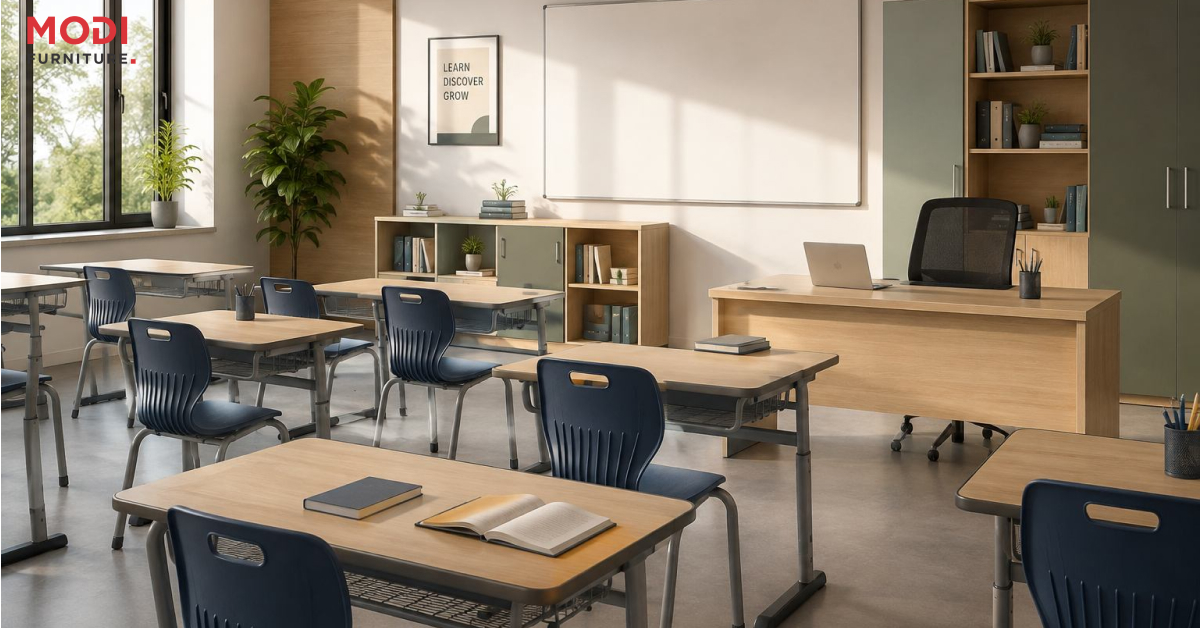
Classroom Furniture Guide: Choosing the Right Furniture for Schools
September 2nd, 2026 -
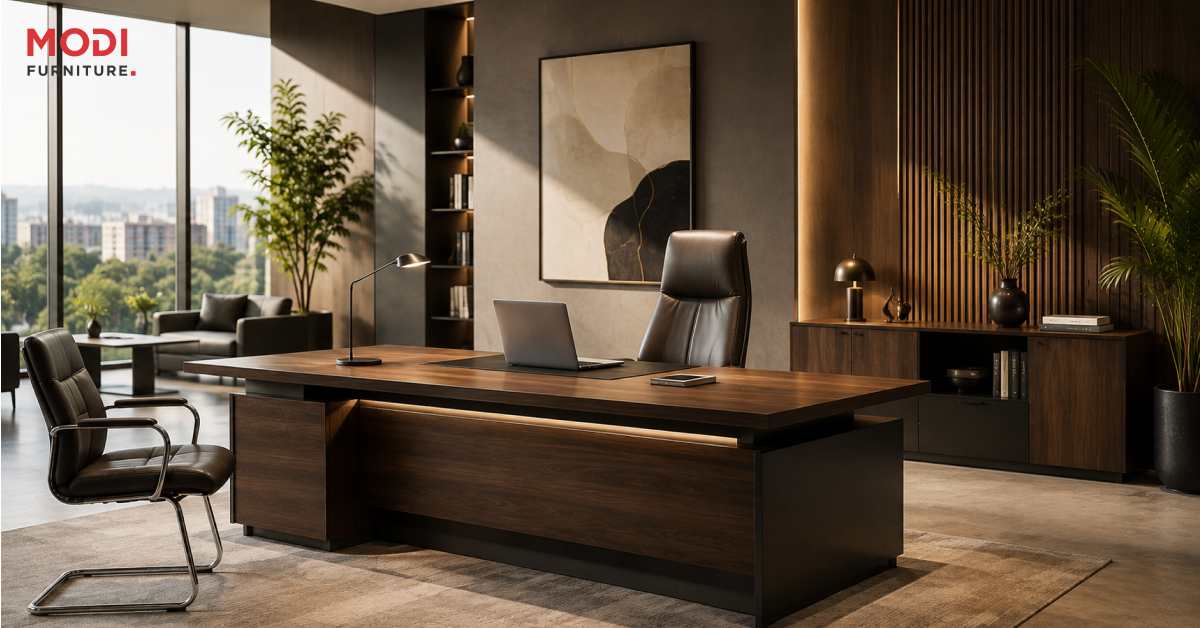
Modern Office Tables in Jaipur: A Guide to Premium Workspace Solutions
August 19th, 2026 -
 July 27th, 2026
