
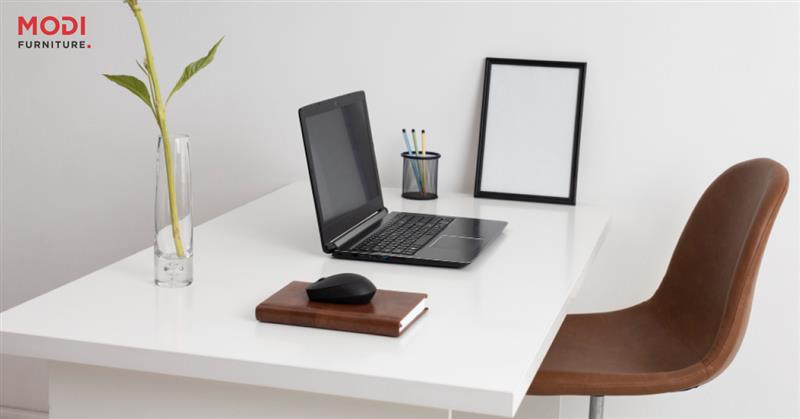
How to Choose the Perfect Office Desk for Maximum Comfort and Productivity
This guide provides all the essential tips for picking a desk that perfectly fits your space, body, and work style. We will walk you through measuring your space, understanding desk ergonomics, and selecting the right materials for your home office.
Step 1: Assess Your Space and Primary Use
Before you start looking, the first step is to understand your needs. This makes sure your new workstation fits into your home and your life.
How to Accurately Measure Your Available Space
Measure the width, depth, and height of the area where you plan to put the desk. Don't forget to account for space to pull out your chair and walk around comfortably. A good tip is to use painter's tape on the floor to outline the desk dimensions. This helps you visualize the footprint.
Defining Your Primary Desk Activities
What will you do at your desk?Your answer changes everything.
- Computer Work: You'll need enough depth for a monitor and keyboard.
- Creative Projects: You might need a larger, flat surface for drawing or crafts.
- Mixed Use: Look for a versatile desk with space for both a laptop and paperwork.
Planning for Your Equipment: Laptops, Monitors, and Printers
Make a list of all the equipment you need on your desk. This includes laptops, monitors, printers, speakers, and lamps. A desk can feel crowded quickly, so planning for your gear is a key part of how to choose an office desk that works for you.
Step 2: Master Desk Ergonomics for Health and Comfort
Proper desk ergonomics are vital for preventing strain and staying focused. Getting this right is one of the most important executive desks for office desk buying tips for your health.
What is the Standard Height for an Office Desk?
Most standard office desks are about 29-30 inches tall. However, a fixed height doesn't work for everyone. Your body's proportions are what truly matter for proper posture.
The 90-Degree Rule: Finding Your Ideal Seated Desk Height
For ideal posture, your elbows and knees should be at a 90-degree angle when seated.
- Sit in your chair with your feet flat on the floor.
- Your arms should rest comfortably, with your elbows forming a 90-degree angle.
- The desk surface should be at the same height as your forearms.
Why an Adjustable-Height Desk is a Game-Changer for Remote Working
An adjustable-height desk lets you switch between sitting and standing. This simple change can improve circulation and reduce the health risks of being still all day. It’s a fantastic choice for any home office.
How Deep Should a Desk Be for Monitors and Laptops?
Your desk should be at least 24 inches deep. This gives you enough room to place your monitor about an arm's length away, which helps prevent eye strain. If you use a large monitor, aim for a depth of 30 inches.Pairing Your Desk with the Perfect Ergonomic Chair for Proper Posture
Your desk and chair work as a team. An ergonomic chair provides back support and adjustability. Together, a great chair and the perfect office desk create a workstation that supports your well-being.Step 3: Determine Your Storage and Organization Needs
A cluttered desk can lead to a cluttered mind. Think about how much storage you need to keep your workstation organized and productive.
Minimalist vs. Maximum Storage: What's Right for You?
Do you prefer a clean, empty surface or need everything within arm's reach? A minimalist design with no drawers might be perfect for some. Others may need a desk with plenty of drawers and shelves.
Integrated Storage Solutions: Drawers, Shelves, and Cabinets
Many desks come with built-in storage. Drawers are great for hiding smaller items, while shelves offer easy access to books and papers. Small cabinets can hold larger supplies or a computer tower.
Cable Management: The Secret to a Tidy Desk
Look for desks with built-in cable management features, like grommets or trays. Taming your cords is an easy way to make your entire workspace feel cleaner and more organized.Step 4: Select a Material That Suits Your Style and Durability Needs
The material of your desk affects its look, feel, and how long it lasts. Each option has its own benefits.
The Pros and Cons of Solid Wood Desks
Solid wood offers a classic, warm look and is very durable. However, it can be heavy and is often more expensive.
Metal Desks: Durability for an Industrial Design
Metal desks are strong, stable, and a great fit for an industrial design. They are built to last but can sometimes feel cold and clinical.
Glass Desks: A Modern, Minimalist Choice
Glass tops create a sense of openness, making them a great modern design choice for small rooms. The downside is that they show smudges and require frequent cleaning.
Laminate and MDF: Budget-Friendly and Versatile Options
Laminate and MDF (medium-density fiberboard) are affordable and come in many colors and finishes. They are a practical choice but may not be as durable as solid wood or metal.Step 5: Match the Desk Style to Your Home Decor
Your home office desk should be a piece of furniture that complements your interior design. At Modi Furniture , we believe a desk should fit your home's personality.
Sleek and Simple: The Modern and Minimalist Desk
A modern design features clean lines, simple shapes, and neutral colors. It’s perfect for creating a calm, uncluttered workspace.
Timeless and Classic: The Traditional Design
Traditional desks are often made of dark wood and feature ornate details. They bring a sense of history and formality to a room.
Raw and Edgy: The Industrial Workstation
Industrial design often combines metal and reclaimed wood for a raw, utilitarian look. It’s a style that feels both sturdy and stylish.
Finding Inspiration from Brands like Herman Miller
Looking at high-end furniture can give you great ideas. Brands like Herman Miller show how great design and ergonomics can come together to create the perfect office desk.Step 6: Consider Different Desk Types for Your Workflow
Beyond the standard rectangle, other desk shapes might work better for your room and tasks.
- Standard Desks: The classic choice that works well in most spaces.
- L-Shaped and Corner Desks: Excellent for maximizing space and creating distinct zones for different tasks.
- Standing Desks: Ideal for those who want to stay active while working.
- Floating and Wall-Mounted Desks: The best option for very small rooms, as they take up no floor space.
Finding Your Perfect Desk
Choosing the perfect office desk is a balance of function, comfort, and style. By thinking about your space, desk ergonomics, and material needs, you can create a workstation that supports your health and helps you do your best work.
Investing in the right desk is an investment in yourself. Make a choice that will serve your well-being for years to come.
Frequently Asked Questions
What is the ideal ergonomic desk height?
The ideal ergonomic desk height allows you to sit with your feet flat on the floor, knees at a 90-degree angle, and elbows bent at a 90-degree angle with your forearms parallel to the floor. For most people, this is between 28 to 30 inches.
How much depth do I need for a computer desk?
A desk should be at least 24 inches deep for a monitor and keyboard. For larger monitors or more equipment, 30 inches of depth is even better.
Are standing desks really better for you?
Yes, standing desks can be good for you. They encourage movement and reduce sitting time. An adjustable-height desk that lets you alternate between sitting and standing offers the most health benefits.
What is the most durable material for a desk?
Solid wood and high-quality metal are generally the most durable materials. A steel frame with a solid wood or high-pressure laminate top offers a great mix of strength and long life.
How wide should my office desk be?
A desk width of 48-60 inches is great for most home office setups. If you use multiple monitors, think about a desk that is 60-72 inches wide.
How do I choose a desk for a small space?
For small spaces, look at a corner desk, a floating or wall-mounted desk to save floor space, or a minimalist desk with a narrow profile.Should my desk have drawers?
It depends on your personal style. If you like a clean surface, drawers are a must for storing supplies. If you are a minimalist, a desk with no drawers may work just fine.
How much should I spend on a good office desk?
A good office desk can range from $250 to over $1,500. Budget-friendly laminate desks are on the lower end, while premium adjustable-height desks from brands like Herman Miller are at the higher end.
Is a glass desk a good idea?
Glass desks offer a modern look and are easy to clean. However, they show fingerprints, can get scratched, and may feel cold. Be sure to choose one made with tempered glass for safety.
What's more important: the desk or the chair?
Both are equally important for an ergonomic workstation. A good chair supports your posture, while the right desk positions your arms and monitors correctly. They work together for a comfortable setup.
-

School Furniture Checklist: Everything Needed for a Modern School
September 16th, 2026 -
Classroom Furniture Guide: Choosing the Right Furniture for Schools
September 2nd, 2026 -
Modern Office Tables in Jaipur: A Guide to Premium Workspace Solutions
August 19th, 2026 -
 July 27th, 2026
