
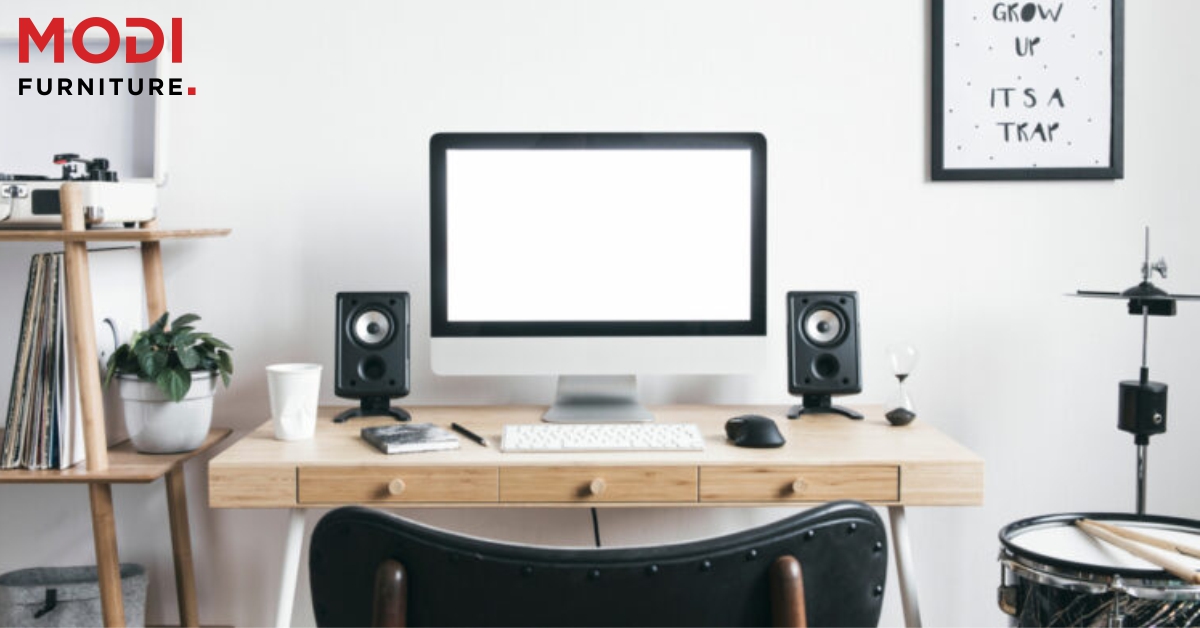
Top Trends in Modern Computer Table Design for 2026
Computer tables have become an essential part of modern offices, home workspaces, and technology-enabled learning environments. Today, a computer table is expected to do more than simply provide space for a desktop or laptop. It should support comfort, organization, technology, and efficient use of the available space.
Getting a computer desk table complementing your office chairs ensures a coordinated and functional workspace. From ergonomic layouts and cable management to smart features and flexible designs, computer tables are evolving according to modern working and learning requirements.
Here are some of the key trends shaping modern computer table design.
Top Trends in Modern Computer Table Design
1. Minimalist and Space-Saving Designs
Minimalist design is one of the most practical trends in modern computer tables. Clean lines, uncluttered surfaces, and compact structures can help create an organized workspace without occupying unnecessary floor space.
Most modern computer desks combine some sort of neutral colour scheme with materials like wood, glass, and metal to bring in more refinement.
For offices where several employees need individual working areas, modular office workstations can also help utilize the available space efficiently while maintaining separate work zones.
2. Ergonomic Computer Tables
Comfort has become an important consideration in computer table design, particularly for people who spend long hours working or studying at a desk. Appropriate table height, sufficient legroom, suitable monitor placement, and enough working surface can contribute to a more comfortable setup.
The computer table should also work well with the seating arrangement. Pairing the desk with an ergonomic chair can help create a more comfortable workstation for extended computer use.
3. Smart Cable Management
Modern workspaces often include computers, monitors, chargers, keyboards, and several other electronic devices. As a result, cable management has become an important feature of computer table design.
Built-in cable holes, trays, concealed channels, and organized power access can keep wires away from the main work surface and help maintain a cleaner setup.
Cable management becomes particularly important in computer labs where multiple systems are installed together. Educational institutions can explore smart computer lab furniture solutions for more ideas on technology-friendly learning spaces.
4. Built-in Technology and Charging Features
Smart desks with built-in wireless charging pads, USB ports, and accessible power connections are becoming part of technology-friendly workspace design. These features make it easier to connect and charge frequently used devices while reducing the need for additional adapters and loose cables. Technology integration is particularly useful for professionals who regularly work with laptops, smartphones, tablets, and multiple digital devices.
5. Integrated Storage Solutions
Storage is another useful feature in modern computer table designs. Drawers, shelves, cabinets, or dedicated compartments can provide space for documents, stationery, computer accessories, and other work essentials without cluttering the desktop. Where the desk itself cannot provide sufficient storage, complementary office storage furniture can help maintain a more organized workspace.
6. Height-Adjustable Computer Tables
Height-adjustable designs provide greater flexibility by allowing users to change their working position according to their requirements. Instead of remaining in one position throughout the workday, users can alternate between sitting and standing where appropriate. Businesses considering flexible desk setups can also explore height-adjustable workstations for modern office environments.
7. Custom-Made and Flexible Designs
Customization continues to influence modern computer table design because different users have different requirements. Available room size, number of monitors, storage needs, working style, and equipment can all influence the ideal desk configuration. Whether it’s added storage space, more surface area, or some other feature, customizable desks give you the freedom to create a setup according to your specific workspace requirements.
8. Sustainable Material Choices
The key concern in modern furniture manufacturing is increasingly sustainability. Material selection can consider durability, responsible resource use, maintenance requirements, and the expected lifespan of the furniture. A durable table that remains functional for a long period can also reduce the need for frequent replacements.
9. Computer Tables for Digital Learning Spaces
Computer tables are now equally important in schools, colleges, training centres, and other educational institutions. Computer labs require furniture that can accommodate digital equipment while providing students with sufficient working space and comfortable seating. For educational environments, computer tables should be selected by considering student age groups, equipment dimensions, cable management, available space, durability, and everyday usage. Schools planning complete learning environments can explore Modi Furniture’s school furniture solutions, including furniture for classrooms, computer labs, libraries, and other educational spaces.
What to Consider When Choosing a Modern Computer Table
Trends are useful for inspiration, but the final computer table should suit the actual requirements of the workspace. Before selecting a design, consider:
- Available space and table dimensions
- Number of computers, monitors, and other devices
- Required storage
- Cable and power management
- Desk height and user comfort
- Material quality and durability
- Available legroom
- Possibility of future equipment or workspace changes
A modern computer table should ultimately balance design with everyday functionality rather than being selected only for its appearance.
Conclusion
Modern computer table design is moving toward smarter, cleaner, more comfortable, and flexible workspaces. Minimalist layouts, ergonomic designs, cable management, integrated technology, storage, height adjustability, and customization are helping computer tables adapt to changing workplace and learning requirements.
Whether the table is required for a home office, corporate workspace, or educational computer lab, the right design should provide sufficient working space, support the required technology, and complement the overall environment. Choosing a computer table based on both functionality and design can help create a workspace that remains practical for years to come.
Frequently Asked Questions
What is a modern computer table?
A modern computer table is designed to accommodate computers and related equipment while incorporating features such as efficient cable management, storage, ergonomic dimensions, clean layouts, and technology-friendly functionality.
What features should a computer table have?
Useful features can include sufficient working space, cable-management options, storage, suitable height, legroom, durable materials, and enough room for monitors and other devices.
Which computer table design is best for a small space?
Compact and minimalist designs can work well for smaller spaces. Tables with integrated storage can also help reduce the need for additional furniture while keeping the work area organized.
Are height-adjustable computer tables useful?
Height-adjustable computer tables provide flexibility for users who want to alternate between sitting and standing positions. Their suitability depends on individual working requirements, available space, and budget.
What should schools consider when choosing computer tables?
Schools should consider student age groups, available space, number of computer systems, desk dimensions, seating comfort, cable management, electrical access, durability, safety, and ease of maintenance.
-

Flexible Classroom Furniture: How Modular Desks and Chairs Support Modern Learning
September 26th, 2026 -

How to Furnish a Complete School: Classroom, Library, Lab, Staff Room & Reception
September 25th, 2026 -

How to Maintain School Furniture: Cleaning, Care & Repair Tips for Longer Life
September 24th, 2026 -
 September 23rd, 2026
 -

School Furniture Checklist: Everything Needed for a Modern School
September 16th, 2026